RNI · RF Safety

Non-ionizing radiation (RNI / NIR), measured to standard

Assessment of electromagnetic field exposure and RF safety per regulation. Protection of workers and the public from non-ionizing radiation.

RNI
ICNIRP /
FCC
5
instrument
categories
✓
local
calibration

What is non-ionizing radiation (RNI)?

Non-ionizing radiation (RNI, also NIR) is electromagnetic radiation that does not carry enough photon energy to ionize atoms or molecules. According to ICNIRP's classification, it includes static and low-frequency fields, radiofrequency (100 kHz to 300 GHz, where telecom antennas operate), infrared, visible light and ultraviolet.

Measuring RNI makes it possible to verify that the exposure of workers and the public stays within exposure guidelines. According to the WHO, ICNIRP's guidelines are the basis of most national standards.

At Tecnous we work with instruments from Narda Safety Test Solutions to measure RNI at antenna sites, populated areas and industrial installations.

Sources: ICNIRP: non-ionizing radiation · ICNIRP: radiofrequency fields (100 kHz to 300 GHz) · WHO: Radiation, electromagnetic fields (questions and answers)

The RNI Radiation challenge

Measurement of non-ionizing radiation (RNI) is mandatory to certify the safety of antenna sites and populated areas. It requires calibrated instruments and regulatory knowledge.

Tecnous represents Narda — the world reference in RF safety — with regulatory advice and traceable calibration for measurements that must comply with regulation.

Regulatory complianceMeasurements must respect ICNIRP/FCC limits and be defensible before the regulator.
Worker exposurePersonnel on towers and sites need protection from RF fields.
Source identificationIn multi-source environments selective per-frequency measurement is required.

From broadband to selective measurement

We cover RF safety assessment in every exposure scenario.

01
High Frequencies
Measurement of exposure to high-frequency fields (RF/microwave) at antenna sites.
RFMicrowaveExposure
02
Low Frequencies
Assessment of low-frequency fields on power lines and industrial installations.
ELFPowerField
03
Selective Measurements
Selective per-frequency analysis to identify and quantify individual sources.
SelectiveSpectrumSRM
04
Area Monitoring
Continuous monitoring stations for electromagnetic fields in sensitive zones.
AreaContinuousAMB
05
Personal Protection
Personal RF exposure monitors with alarm for workers at height.
WearableAlarmSafety

All instruments

High Frequencies
NBM-550
Narda
NBM-550 is part of the NBM-500 family of instruments. It delivers extremely accurate results for electromagnetic field intensity measurements. NBM-550…
High Frequencies
FieldMan
Narda
Narda has opened new dimensions in the versatility and handling of electromagnetic field measurement devices with FieldMan. This lightweight, easy-to-…
Non-directional measurement using isotro…Large, sunlight-readable 5" diagonal col…Digital probe interface for broadband an…
Low Frequencies
EHP-50F
Narda
Isotropic measurement of electric and magnetic ELF fields. Frequency-selective FFT measuring system with high dynamic range for electric and magnetic…
Low Frequencies
Selective Level Measurements
SRM-3006
Narda
Complete, easy-to-use test system, consisting of a base unit and measurement antennas, for non-directional detection of fields and their sources in th…
Selective Level Measurements
Antena 5G FR2
Narda
Extends the SRM-3006 to cover from 24.25…Calibrated antennas for reliable measure…Measurements are displayed in field inte…
Area Monitoring
AMB-8059
Narda
Narda multiband area monitors are constantly used in areas where electromagnetic radiation levels need to be continuously assessed through long-term o…
Area Monitoring
Personal RF Safety Monitor
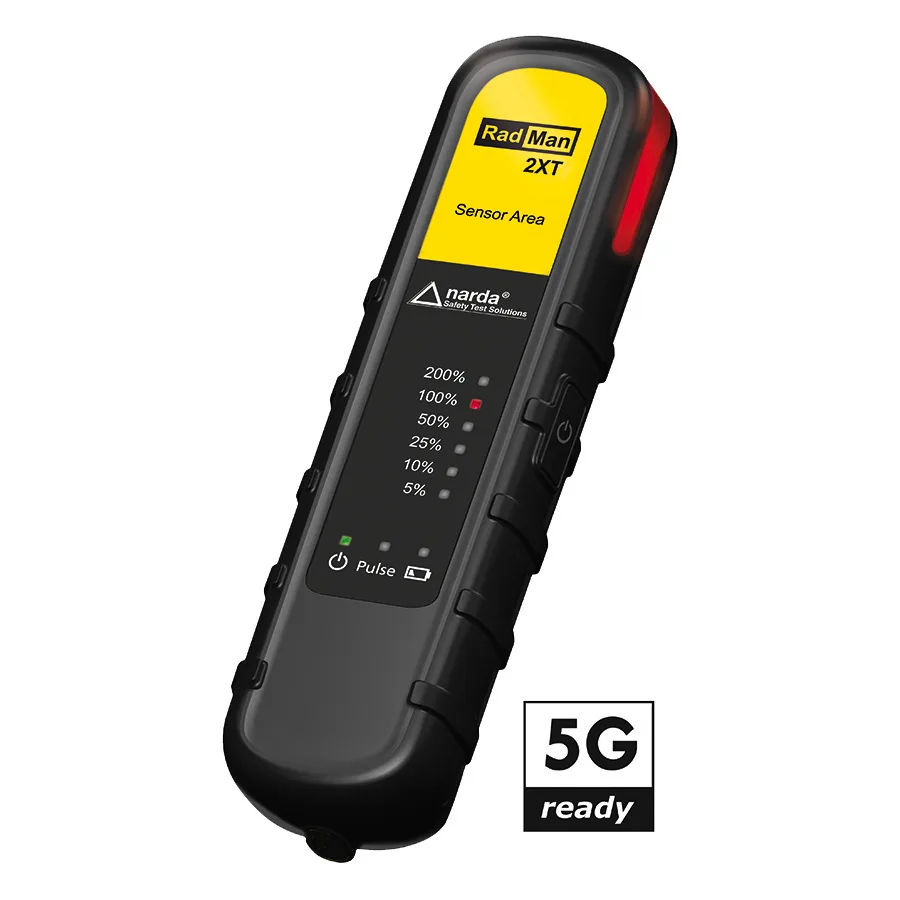
RadMan 2
Narda
More than 20 years of experience with the best-selling personal RF monitors of all time come together in the new RadMan 2. This small device reliably…
Personal RF Safety Monitor
Nardalert
Narda
Personal radiation monitor for electric fields with interchangeable sensor modules
ACGIH IndustrialARPANSA RP S3, occupationalBGV B11, 2001, EXP.1 (occupational)

The support that makes
the real difference

Technical training
Tecnous Academy trains your team in the correct use of the instrument and interpretation of results.
Certified calibration
Accredited lab with NIST traceability. Keep your instruments within spec without sending them abroad.
Pre-sale advice
We help you choose the right instrument for your application, volume and budget. No over-selling.

Frequently asked questions about RNI

What is non-ionizing radiation (RNI)?
Non-ionizing radiation (RNI) is electromagnetic radiation that does not carry enough energy to ionize atoms or molecules. It includes the radiofrequency from telecom antennas, as well as low-frequency fields, infrared, visible light and ultraviolet.
What is the difference between broadband and selective measurement?
Broadband measurement gives the total field level from all sources combined and allows a quick exposure assessment. Selective measurement analyzes the field by frequency, so it identifies and quantifies each source separately, which is needed in environments with several sources. At Narda, the NBM series is broadband and the SRM series is selective.
Which instrument protects personnel on towers?
Personal RF exposure monitors: they are worn on the body and sound an alarm when the field approaches or exceeds the configured limit. Narda offers the RadMan 2 personal RNI monitor and the Nardalert.
Does Tecnous calibrate the equipment?
Yes. Tecnous offers certified calibration with NIST traceability, to keep instruments within specification without sending them abroad.
Which regulations apply in my country?
It depends on the country: its regulator defines it, and according to the WHO most national standards are based on ICNIRP guidelines. Write to us with your country and type of installation and a Tecnous specialist will advise you on the applicable standard and how to document the measurement.
Working on RNI Radiation?

Let's build the right kit
for your project.

Tell us the scope of your project and a specialist will put together a proposal with the instruments, training and support you need.